Holistic Nutrition Basics: Whole Foods Explained
Understanding what whole foods are, how they differ from processed alternatives, and their nutritional role
What Are Whole Foods?
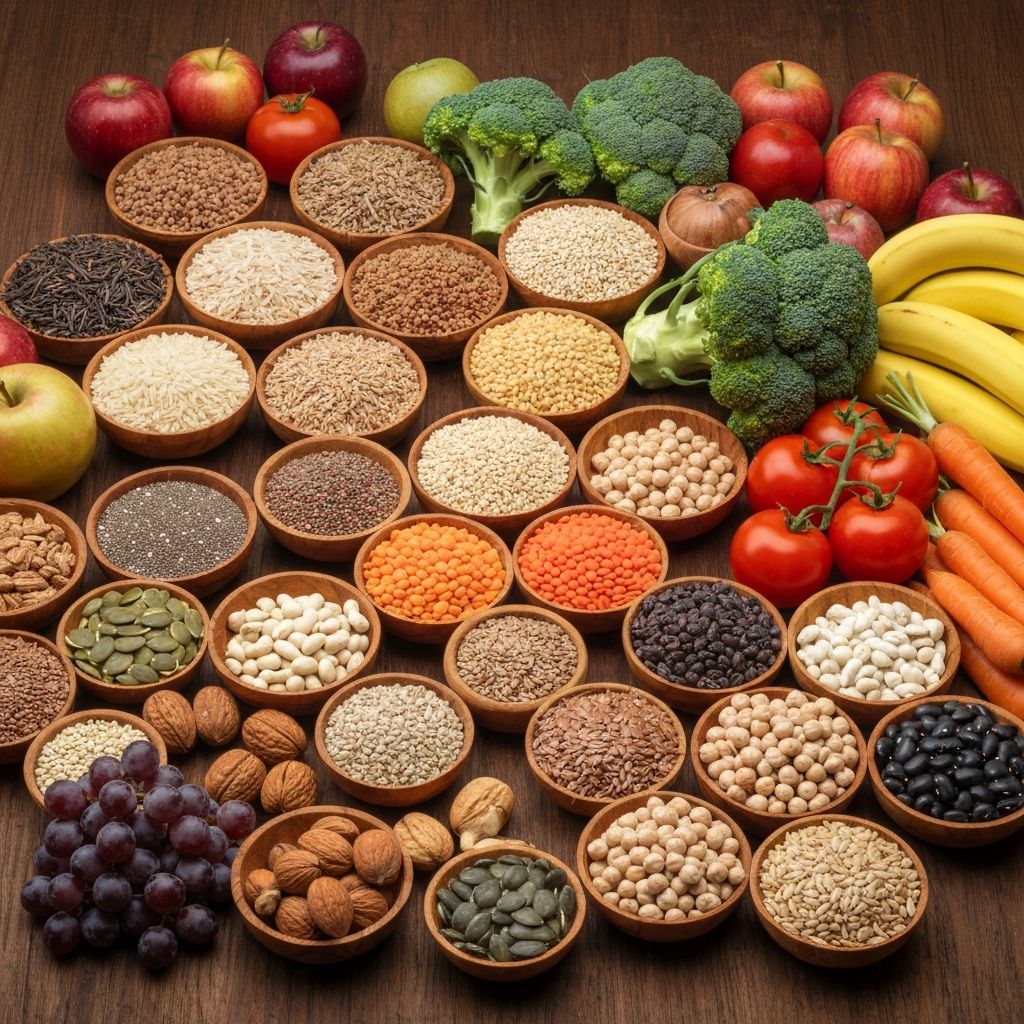
Whole foods are foods in their natural state or minimally processed form. They retain their original nutrient composition, including all the vitamins, minerals, fiber, and phytochemicals that nature provides. Examples include fruits, vegetables, whole grains, legumes, nuts, seeds, eggs, and unprocessed fish and meat.
When food undergoes processing, nutrients are often removed or altered. White flour is created by removing the nutrient-rich bran and germ from whole grains. Added sugars are extracted from their original sources. Oils and fats are isolated from their whole-food counterparts. While processing can make food more shelf-stable, it typically reduces nutrient density.
From a nutritional science perspective, whole foods provide what researchers call "nutrient synergy"—the combined effect of multiple compounds working together in ways that may be more beneficial than isolated nutrients alone.
Macronutrients in Whole Foods
Whole foods contain three macronutrients essential for body function:
Carbohydrates
Found in vegetables, fruits, and grains. Whole food sources contain fiber, which slows digestion and affects how quickly sugars enter the bloodstream. This influences blood sugar stability and energy levels.
Proteins
Found in legumes, nuts, seeds, fish, eggs, and meat. Proteins are essential for building and repairing tissues. Whole food protein sources often come with additional nutrients and minerals that processed protein sources may lack.
Fats
Found in nuts, seeds, fish, eggs, and oils. Dietary fats are essential for hormone production, vitamin absorption, and cellular function. Different fats have different effects on the body.
Micronutrients and Fiber
Beyond macronutrients, whole foods provide critical micronutrients and fiber:
Vitamins and Minerals
These regulate countless biological processes. Whole foods provide these nutrients in forms that the body can recognize and utilize efficiently. For example, the vitamin C in an orange exists alongside other compounds that support its absorption.
Dietary Fiber
Found primarily in whole grains, vegetables, fruits, and legumes. Fiber supports digestive health, influences blood sugar control, feeds beneficial gut bacteria, and contributes to satiety and energy stability.
Phytochemicals
Plant compounds in vegetables and fruits that have various protective and regulatory functions in the body. These are often lost during processing.
Whole Foods vs. Processed Foods: A Comparison
The scientific understanding is that processing affects more than just taste and convenience:
Nutrient Density
Whole foods generally have higher nutrient density—more vitamins, minerals, and fiber per calorie. Processed foods often have added sugars or fats to improve taste, increasing calories without increasing nutrient content.
Satiety Signals
Whole foods, particularly those high in fiber and protein, tend to be more satisfying. The body's hunger and fullness hormones respond differently to whole foods versus processed foods.
Metabolic Response
The body processes whole foods and processed foods differently. Fiber content, nutrient composition, and food structure all influence digestion rate and metabolic response.
Educational Note
This article explains general nutritional science about whole foods. It does not provide dietary recommendations or medical advice. Individual nutritional needs vary based on health status, metabolism, and many other factors. Consult qualified healthcare professionals for personalized guidance.
Explore More Topics
Continue learning about nutrition science and wellness principles: